IDCRC Investigator Profile: Rebecca C. Brady, MD
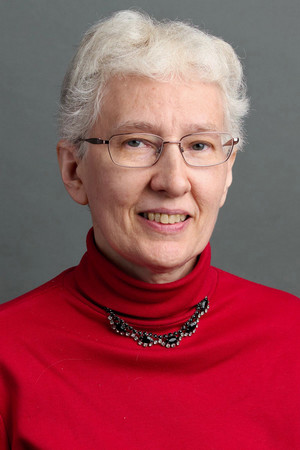
Rebecca C. Brady, MD, is the director of Adult Clinical Studies for the Gamble Vaccine Research Center and a professor in the University of Cincinnati's Department of Pediatrics. Her research aims to look for ways to improve vaccines for influenza.
Dr. Brady currently serves as the site principal investigator for the IDCRC PROMISE study. Read more about this study here.
How long have you worked with a VTEU?
Since 1999, when I joined the faculty at Cincinnati Children’s Hospital Medical Center!
Can you share more about a current VTEU study you are working on?
I am currently working with other VTEU investigators on the development of a protocol to study the safety, reactogenicity, and immunogenicity of a synthetic gold nanoparticle-based, T-cell priming peptide vaccine against SARS-CoV-2 as a booster dose.
I also serve as the site principal investigator for Cincinnati Children's Hospital Medical Center Vaccine and Treatment Evaluation Unit on the PROMISE trial. This study is evaluating the safety and serology of the administration of maternal vaccination with RSVpreF and passive immunization of infants with nirsevimab. These insights aim to help guide clinical decision-making for pregnant women and their infants.
Learn more about IDCRC studies here.
Briefly describe the IDCRC-funded trials you have supported.
I have worked on phase 1, 2, 3, and 4 clinical trials of vaccines against a variety of pathogens, including smallpox, influenza, respiratory syncytial virus, SARS-CoV-2, Nipah virus, mpox, Streptococcus pneumoniae, Campylobacter jejuni, and enterotoxigenic Escherichia coli. For the enteric pathogens, many have been inpatient controlled human infection model studies.
Of these trials, what has been the most impactful or highlight of the work?
After September 11, 2001, we were one of the VTEU sites that studied the vaccination success rate and reaction profile with diluted and undiluted smallpox vaccine. Then, there was high concern that smallpox might be used as a bioterrorism agent, so it was important to establish that the old vaccine would still be protective.
The SAR-CoV-2 vaccine trials were also impactful on a global and personal level. My then 85-year-old aunt developed COVID-19 in June 2020 and had to go to “jail” (her term for the isolation unit). She survived for the next 4 years but needed supplemental oxygen. When I was later able to visit her, she was so proud to tell her nursing home care providers and colleagues that her niece was working on a vaccine for the virus that had taken the lives of many of her friends.
What is a strength or example of the importance of the IDCRC?
One strength of the IDCRC is that it works together efficiently and quickly to establish the safety and protective efficacy of vaccines against pathogens that are important public health threats. Some examples include avian and pandemic influenza viruses and SARS-CoV-2.
A second strength is the mentoring of junior investigators by senior vaccinologists. In my case, by Gilbert Schiff, MD (an early researcher of rubella) and David Bernstein, MD (a developer of a rotavirus vaccine).
What do you like to do outside of the VTEU?
My family is from Appalachia (Gravel Switch, KY), so I like to travel down and see the beautiful fall foliage, and yes, I have eaten pawpaw fruit and persimmons. They are tasty, but avoid quinces (very tart). I teach children’s and adult Sunday school classes, and I am the treasurer of my local United Women in Faith chapter. In my spare time, I like to do embroidery, sew, and solve math and jigsaw puzzles.